
As someone who’s somehow managed to spend half his life living out of a suitcase, I found myself thinking recently about all the airports I’ve passed through this year.
Paris. Dubai. Zurich. Milan. Barcelona.
Out of the ten, maybe fifteen, I’ve moved through this year, I can picture exactly one of them.
Changi. Singapore.

Not because it got me through security any faster. Not because the boarding was smoother. Because it was the first airport that ever made me want to arrive early.
Think about that for a second. Have you ever, in your life, found yourself wishing you had more time to spend in an airport? Neither had I. Somewhere along the way the rest of them had quietly agreed on what a terminal was for. A place to be endured, where paying three times the going rate for a bottle of water is somehow fine. And Changi decided a terminal was a place to be, not a corridor to survive, and built the whole thing around that one contrarian idea.
Now here’s what I keep turning over about the ones that blurred. They didn’t blur because they were bad. They were fine. Clean, on time, signage exactly where you’d want it. They blurred because they were fine. Nothing about them broke what I already expected an airport to be, so my brain filed none of it.
I don’t tell you this because I’m keeping a journal of terminal experiences.
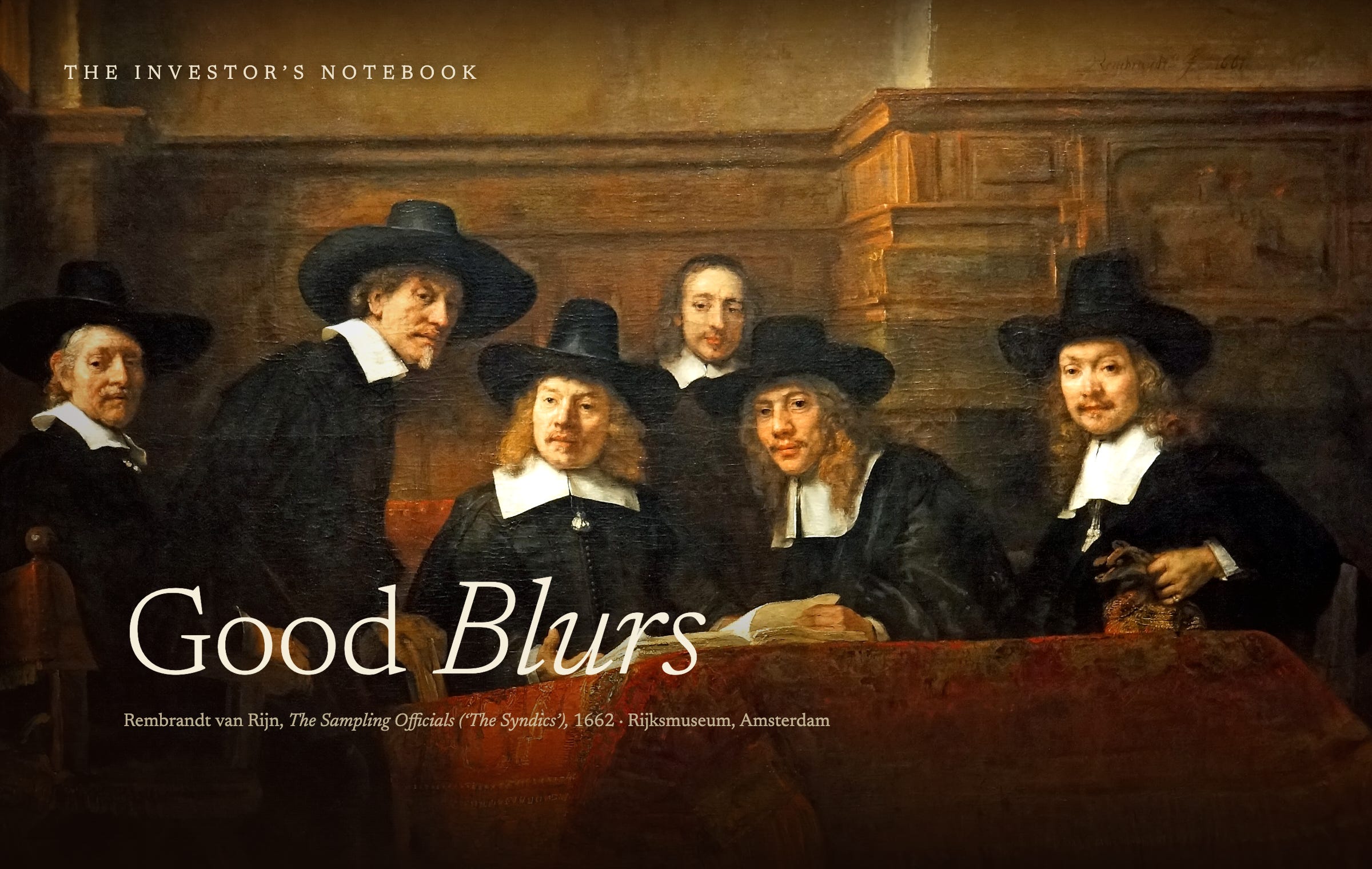
I tell you because I’ve spent enough time on the other side of the table to know that an investor’s week is a row of airports.
They don’t see your company the way you see it: alone, under a spotlight, the thing you’ve lived inside for three years. They see it ninth, on a Thursday, after eight others, half of which were also “strong technical founder, good team, early traction, big market.”
You are not being measured against the ideal version of a fundable company. You are being measured against the ten they saw that week. And against that row, “good” is the most dangerous thing you can be. Good is a fine airport. Good blurs.
Which brings me to the failure I watch capable founders walk into, eyes open, on purpose. Call it founder camouflage.
Here’s how it happens. You’re experienced. You’ve run things, built things, maybe sold them. In every room except this one you’re the most credible person present. And this room, the fundraise, is the single place you feel like a beginner, and you would rather do almost anything than look like one.
So you study what a fundable deck is supposed to look like, and you make yours look like that. You take the template. You lead with the metrics in the approved order. You sand off the strong opinion, the hard-won obsession, the weirdly specific conviction that doesn’t fit the format, because it feels safer to resemble the pattern than to risk looking naive.
And it works, in the narrowest possible sense: nobody objects. Nobody objects because nobody remembers. You’ve camouflaged into the row. You are now the ninth fine airport.
That’s the trap. Founders spend weeks trying to eliminate objections. Investors spend years trying to remember which company actually mattered. Those aren’t the same optimisation problem.
And here’s the part founders get wrong about the meeting itself: they think the meeting is the test. It isn’t. The real test starts after you’ve left the room, when one partner has to turn to everyone else and convince them this one mattered. A partner can only fight for you when you’ve handed them something worth fighting with.
Camouflage into the row, and you’ve sent your one champion into that room empty-handed.
But here’s the one thing the row can’t do to you. The other founders that Thursday can copy your deck structure. They can copy your metrics order, your traction slide, the tidy arc of your narrative.
What none of them can copy is the thing only you know because of the path that brought you here: twenty years in logistics, a decade as an oncologist, three failed versions built before this one. That is the one thing in the room that isn’t interchangeable, which makes it the one thing that won’t blur. It’s not the boring part of the story you apologise for on the way to the numbers. It’s the one thing another founder can’t borrow. Not a flashier deck, not a sizzle reel. A thesis only your experience could have produced, stated plainly and led with instead of buried.
Two honest caveats, because this is exactly where bad advice tends to start. Be distinctive in your thesis, not in your competence. The same investor who forgets the fine airport will vividly remember the founder who tripped the “not ready” alarm, and that memory is also a no. And none of this works if there’s nothing underneath. The champion I just described can’t fight for an empty product; send them in with nothing real and they get laughed out of the room. Camouflage over an empty product is just a waterfall bolted onto an empty terminal: distinctive, hollow, remembered as the gimmick.
But if there is something real underneath, then the mistake was never that you weren’t good enough. It’s that you were good. And good blurs. The thing you left out because it felt too specific, too personal, too much you to put on a slide... is very probably the only thing in that room that wouldn’t.
Worth keeping
“To be nobody but yourself in a world which is doing its best, night and day, to make you everybody else, means to fight the hardest battle which any human being can fight.”
E.E. cummings
The fundraise is that world. Every template, every “here’s what a fundable deck looks like,” is a small pressure to become everybody else. The founders who lose that fight raise nothing anyone remembers. The ones who win it are the only ones the room is still arguing about on Friday.
One question
What’s the one thing about your company you’ve been leaving out of the pitch, because it felt too specific, too personal, or too much you to put on a slide?
That’s very likely your uncrowded ground. Hit reply and tell me what it is. I read every one.
Clipped
A YC partner on how to pick an idea. The hint, in case you need a reason to click: “pick a direction and walk fast toward it, since you’ll get more data per unit of time.” Which is, more or less, this whole issue pointed forward: stop waiting to look fundable, pick the direction only you can see, and move fast enough to be unforgettable.