
Hope you had a great summer. Now everyone’s back, I wanted to pick up where we left off...
If I had a euro for every email that started like this in September when I was a VC, I’d have had enough to lead the seed round myself.
The strange thing is that every founder sending it had made a perfectly sensible decision. Investors were back. August was over. It was time to restart the raise.
That was the problem.
William Vickrey won the Nobel Prize in Economics in 1996 on another version of exactly that problem, one so ordinary most of us only think about it from inside one.
Traffic.
You cannot out-effort a jam
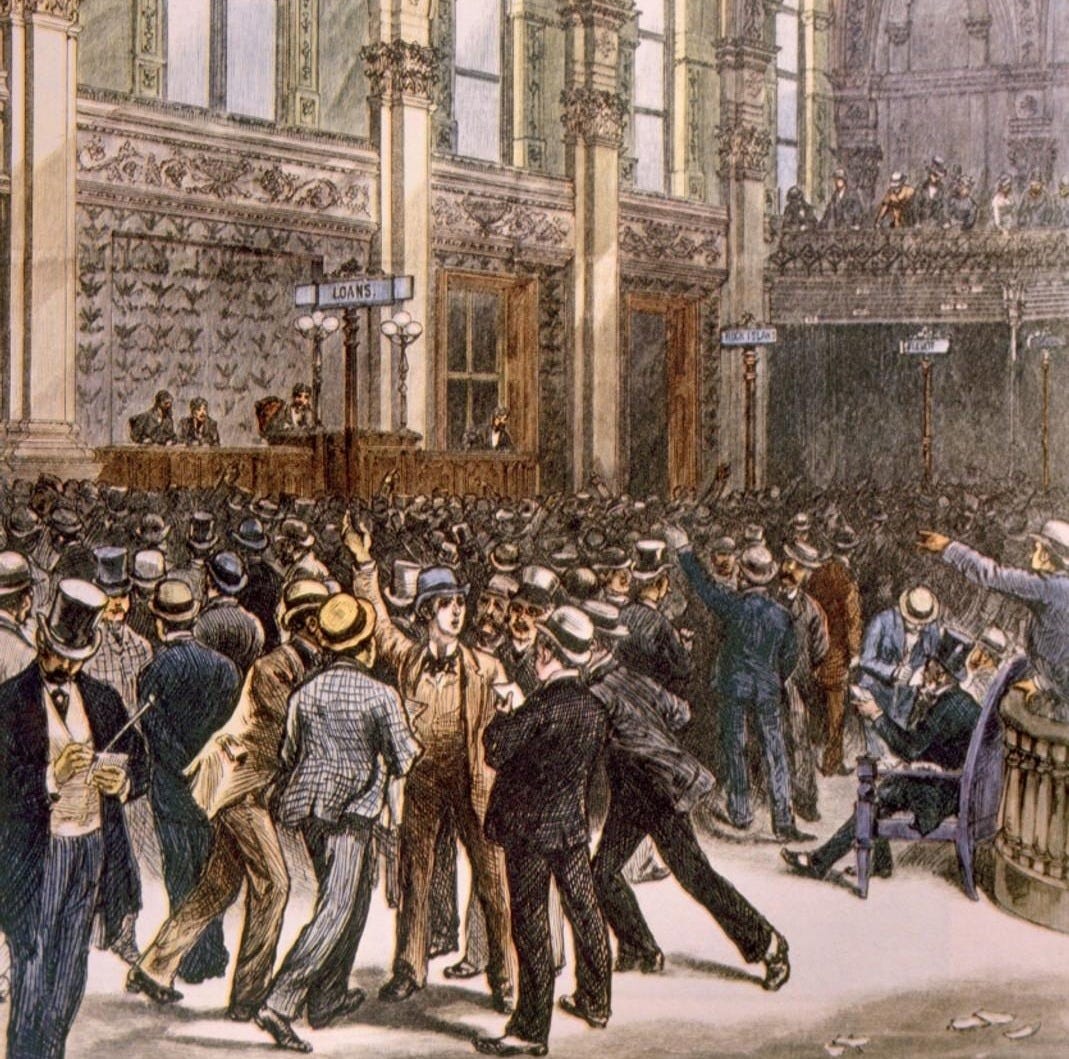
Almost nobody in a traffic jam has done anything wrong. You need to be at work at nine, so you leave at 8:15. Thousands of other people need to be at work at nine, so they leave at 8:15 too.
Every decision is individually rational. Together, they create the problem.
And trying harder doesn’t solve it. Leave earlier and eventually enough other people reason the same way that the peak shifts earlier with you. Find a shortcut and the navigation apps send everybody else down it. Change lanes more aggressively and you mostly arrive at the same time, slightly more annoyed.
You cannot out-effort a traffic jam, because the traffic jam is made of effort exactly like yours.

Vickrey’s answer wasn’t to tell drivers to wake up earlier or find better shortcuts. It was congestion pricing: change what it costs to travel at the busiest hour and you change the structure producing the behaviour.
Fundraising has an 8:15. In Europe, it’s September.
The September Jam
Every founder has independently arrived at the same reasonable conclusion. Nobody does anything in August. Wait until September.
So they do. The out-of-offices disappear, calendars reopen, LinkedIn wakes back up, and thousands of founders who were told some version of let’s pick this up after the summer all reach for the same investor inbox in the same week.
From the founder’s side, it feels like the market has reopened. From the investor’s side, it feels like Monday morning after a six-week weekend.
Investor availability has returned. Investor attention hasn’t.
You imagine your July process was paused. It wasn’t. The investor isn’t returning to a frozen pipeline with your company sitting where they left it. They’re returning to your conversation, plus the other conversations they hadn’t finished, plus the introductions that arrived over August, plus companies beginning fresh raises now, plus portfolio problems, plus everybody else who was also told to come back after the summer.
You resume. They reset.
So the question in September isn’t whether they remember you. It’s why they should update their view of you.
Don’t remind them. Change the prior.
There is a particular kind of September follow-up that founders send because it feels harmless.
Hope you had a great summer. Just resurfacing this now everyone’s back. Would be great to pick up where we left off.
Nothing about that email is offensive. That’s almost the problem. It asks the investor to reopen a decision using exactly the same information they had when they stopped looking at it. You’re reminding them the company exists, and investors rarely need reminding that companies exist. They need a reason to think differently about them.
Compare it with:
When we spoke in July, you pushed us on whether the three pilots were actually converting. Two have since signed annual contracts, taking us from X to Y. Thought it was worth putting this back on your radar.
The difference isn’t better copywriting. The second email gives me a reason to update my view. That’s what a September re-entry needs, and before you reopen any investor conversation this month I’d run it through three things.
1. What changed?
Something happened in the business that wasn’t true when you last spoke. A pilot converted. Revenue moved. A customer signed. Usage changed. A key hire joined. You shipped something that mattered.
Lead with the delta. Don’t make me reconstruct July in order to understand September. We had X, now we have Y is enough.
2. What did you learn?
Not every early-stage company produces a dramatic metric over six weeks. That’s fine. But perhaps your understanding changed. Five customer conversations exposed the wrong ICP. You killed a product line. The pricing changed. You sharpened what the round is actually meant to unlock. You realised the objection raised in July was right.
Changed judgement is information too. In some cases I’d rather receive this:
You pushed us on X in July. I thought you were wrong. After another twelve customer conversations, I don’t anymore. We’ve changed Y as a result.
than another percentage-growth update. It tells me something happened while I wasn’t looking. More importantly, it tells me you did.
3. What changed on their side?
The one almost nobody checks. Nothing moved in your company and nothing moved in your thinking, but something may have moved in theirs. A new fund closed. An investment in an adjacent space. A market shift that pulls your sector into a thesis it was sitting outside of in July.
That’s a legitimate reason to re-enter, and it’s the only one that requires you to have been paying attention to them rather than to yourself.
If none of the three, leave it.
This is the uncomfortable one. If nothing meaningful changed, don’t manufacture a September update because the calendar has given you permission to send one.
Everyone’s back is not a reason for an investor to reconsider your company. It’s a reason their inbox is full.
That doesn’t mean disappearing indefinitely. It means recognising that another touchpoint and another reason to care are not the same thing.
The irony of the September Jam is that founders respond to congestion exactly the way drivers do. Send more emails. Follow up sooner. Try another route into the partner. Ask someone else for the intro. Push harder before the calendar fills.
Sometimes those things work. But if every founder is making the same moves in the same week, more effort doesn’t reliably produce more attention. Sometimes it just puts another car on the road.
So if you’re reopening the investor spreadsheet this week, don’t start with the column marked Follow Up. Add one first.
One Question
What would make them update their view?
Add that column next to every name before you send anything next week. The blanks are the interesting part.
Clipped
Economist John Maynard Keynes had another way of describing what happens when everyone starts trying to predict everyone else’s sensible move.
His famous “beauty contest,” explained in a few minutes.
Turns out being right isn’t much of an advantage when everyone else is right too.