
I spent a weekend last month at HEC Paris MBA’s first AI hackathon, the Vibeathon, running the Dubai Track alongside OpenAI, Lovable, Cursor and Sanofi.
Twenty-five teams pitched in eight hours. One is still building three weeks later.
The best teams spent the most time on the problem.
Not the solution. Not the deck. The problem.
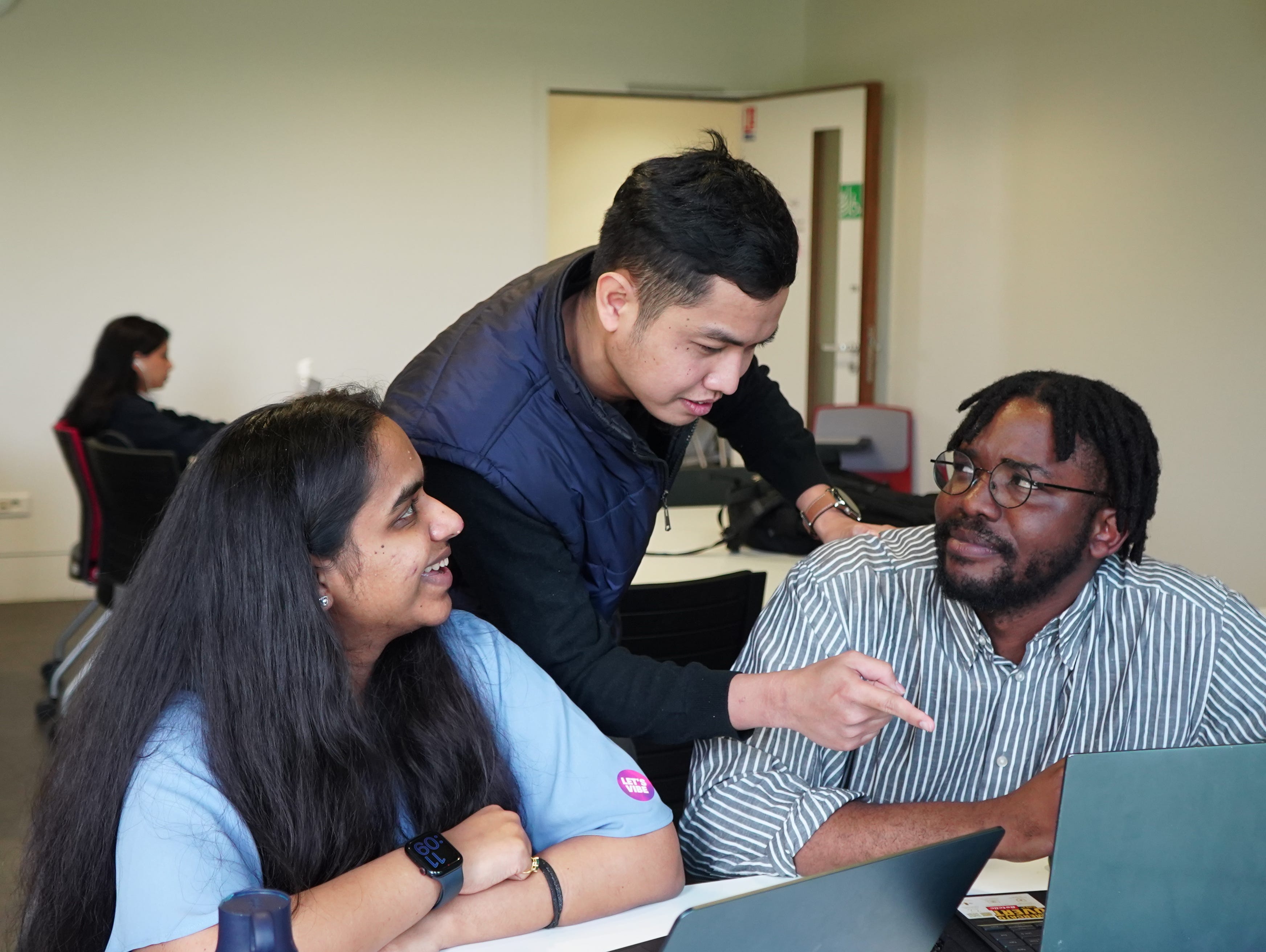
Most teams came in with an idea and spent the day building toward it. The ones that stood out did the opposite, they slowed down, talked to people, pressure-tested their assumptions, and only started building once they understood what they were actually solving for.
By the time pitches started, I already had a rough sense of who would stand out. The teams that engaged with feedback and changed direction mid-build were usually the ones still worth watching at the end.
After 25 pitches, polish becomes noise.
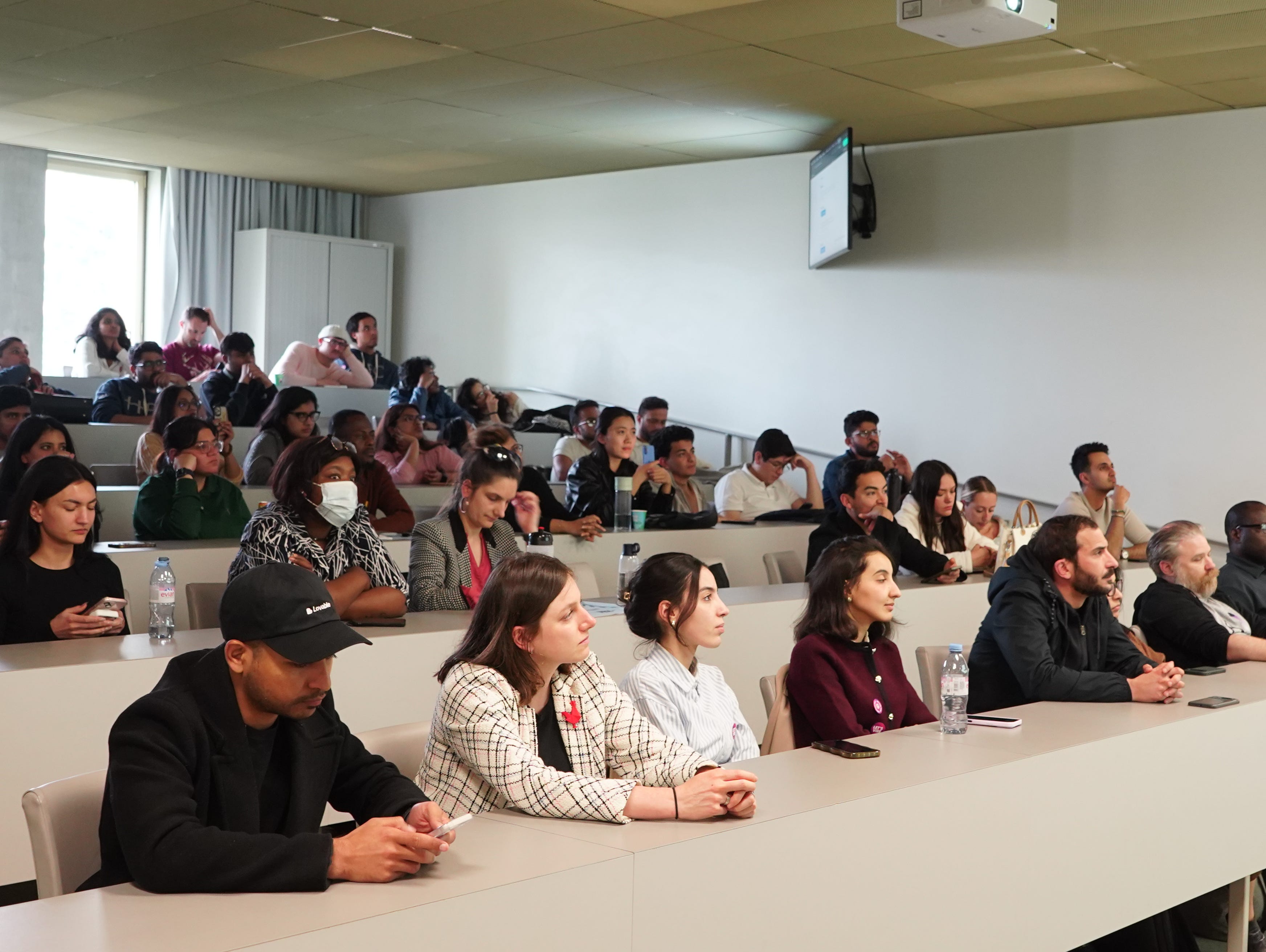
Somewhere around pitch fifteen, the polished ones start blurring together. The ones you still remember are the ones that felt human. A founder who said “we don’t have this figured out yet but here’s what we know” landed harder than a team with a perfect slide and a rehearsed narrative.
Founders with a few years of work experience tended to build more grounded solutions. They weren’t solving abstract problems. They were solving things they’d lived. Sometimes the best founders are naive enough to attempt something impossible. But for focused pain points with specific users, lived experience is an underrated edge.

Most hackathons optimise for presentation quality.
The gap isn’t talent. It’s structure. Most teams leave with a demo, not a pathway. No customers, no pilot environment, no continuation layer, no reason to keep building once the room empties.
Very few optimise for whether the team is still building two weeks later.
The winning team had a problem statement that was impossible to argue with.
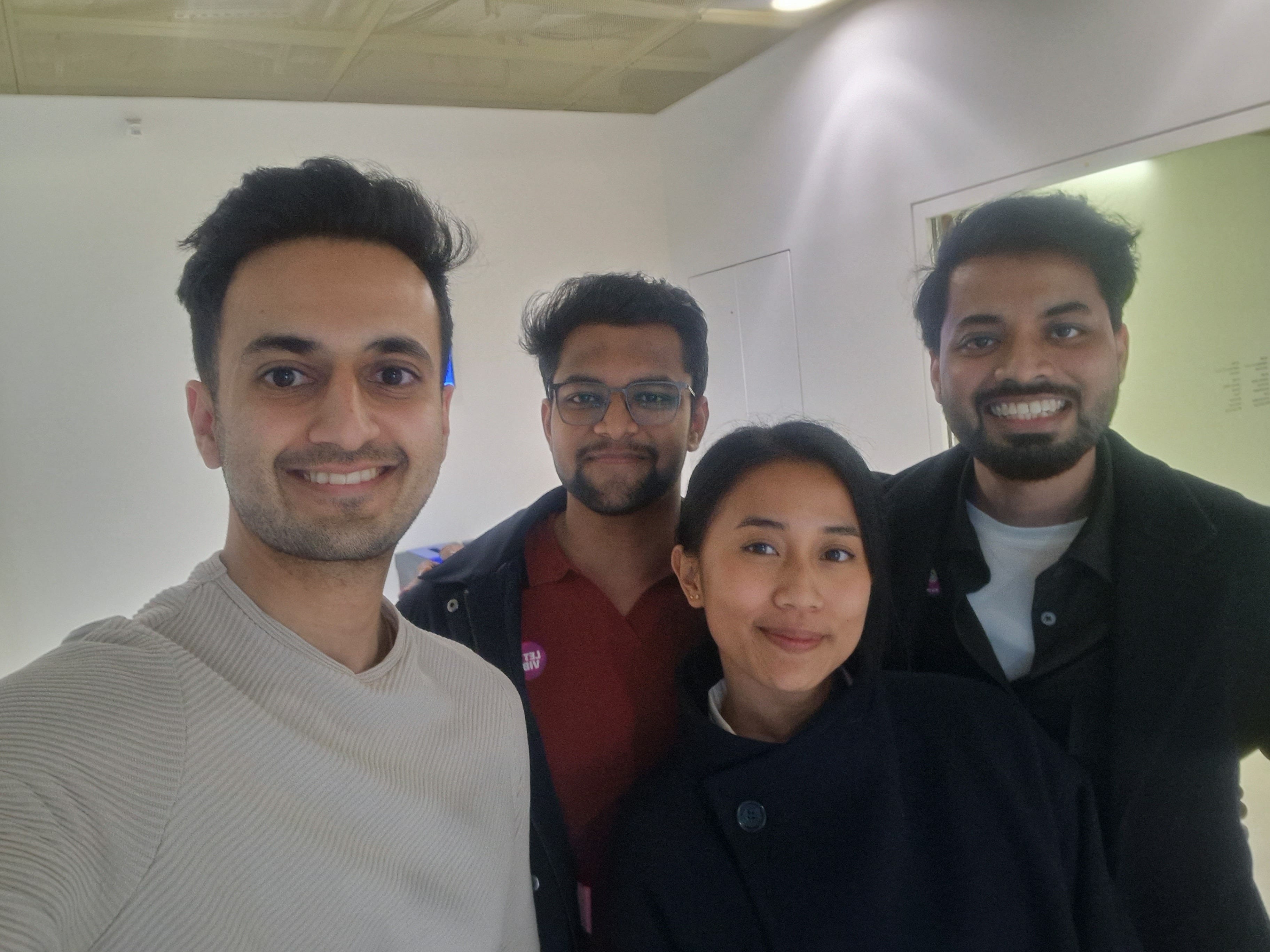
The Dubai Track winner built a workflow layer for expat relocation in the UAE. The pitch wasn’t the flashiest.
But the problem statement was undeniable: 9.5 million expats, AED 20-60K cost per relocation, and almost no dedicated software layer exists. Every step of moving to the UAE, visa routing, Emirates ID, banking, housing, telecom, managed across WhatsApp threads and spreadsheets.
They hadn’t shoe-horned a solution onto something they thought was broken. They understood the market dynamics and why now. The problem had found them as much as they had found the problem.
That’s the difference between a hackathon idea and a company.
A parallel competition ran alongside the hackathon.
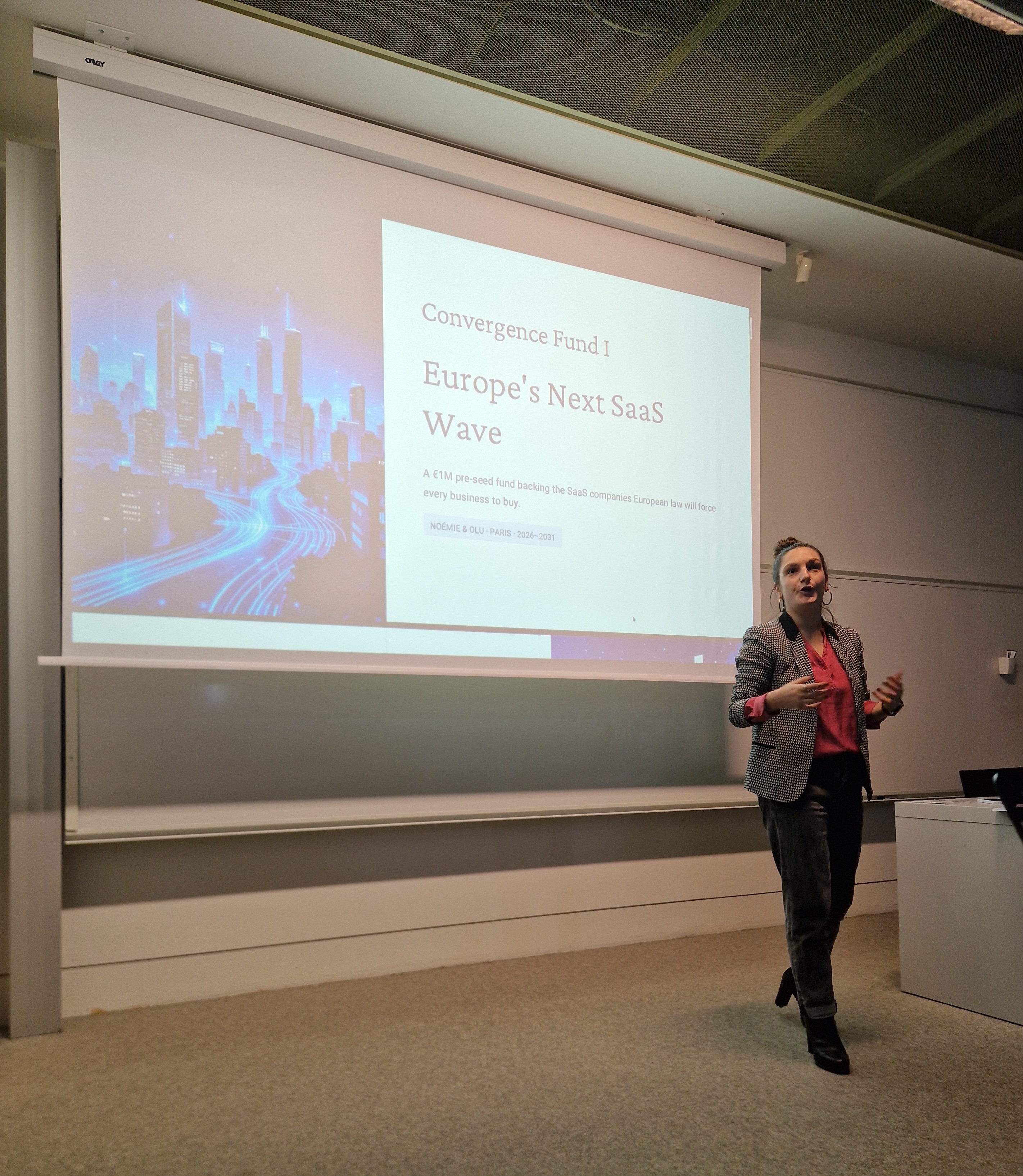
Prospective MBAs pitched how they’d construct a VC portfolio. The contrast was stark; founders in one room building things, MBAs in another theorising about portfolio construction. The strongest entries went for concentrated portfolios of three to four companies, not the eight to ten most funds target. Whether that reflects conviction or the limits of first-time fund managers, I’m still not sure.
The real work started on Monday.
The winning team is now three weeks into the AvenirX Pilot Readiness Program. The focus right now isn’t product, it’s ICP definition. Who feels this pain most acutely? The expat arriving, the relocation agency drowning in coordination, or the HR team sending employees to Dubai?
The answer changes everything. Who you build for first. Who you sell to. Where the next ninety days go.
They’re already speaking to potential customers, mapping the problem from the operator’s side, and thinking about which partner to enter the market with to build credibility before they build scale. That’s the right sequence.
Most hackathons optimise for the demo. The interesting founders treat it as the starting gun.
Those are the ones worth backing early.