I Spent a Week in Munich. The Best Founders I Met Were Still in School.
I was invited to host a Young Founders Network fireside chat in Munich. I went in expecting the usual. Ambitious students, early ideas, a lot of enthusiasm and not much traction.
The average age in the room was 17. One founder had already raised a pre-seed round and was exploring Middle Eastern expansion.
He was 16.
His co-founder (the elder statesman of the two) was practically a grandfather at 18.
I’ve spent time in most major European startup cities hosting conversations like this. I’ve never seen anything quite like that room.
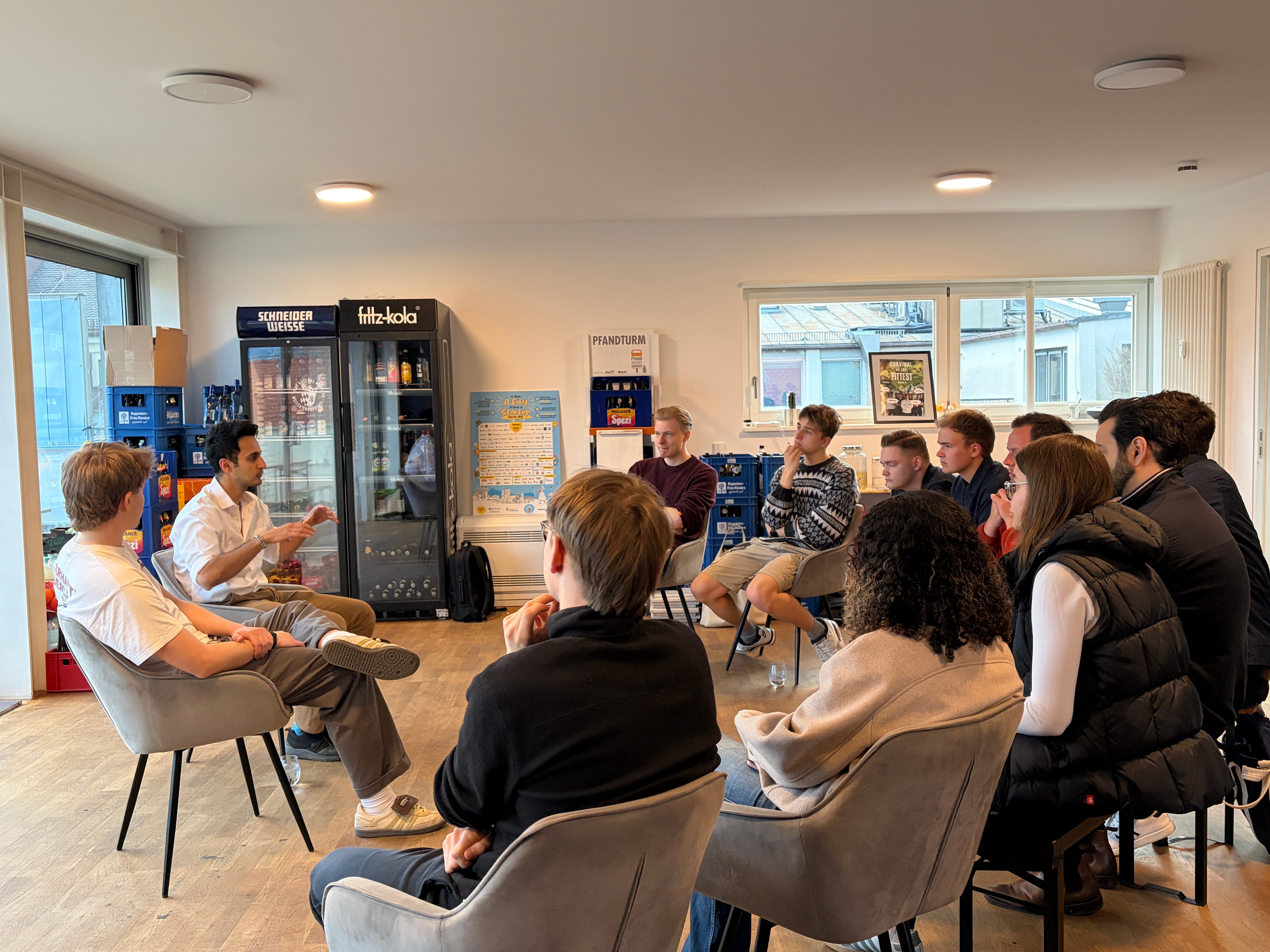
I realised pretty quickly this wasn’t the exception but a regular pattern in Munich.
For some reason, Munich barely exists in the broader European startup conversation.
Paris gets the headlines. London gets the capital. Berlin gets the mythology and the techno loving founders.
Meanwhile Munich is quietly producing one of the strongest technical founder pipelines on the continent. And unlike many ecosystems that optimise for polished pitch decks and B2B SaaS wrappers around APIs, Munich feels fundamentally engineering-first.
You see it immediately.
Robotics. Aerospace. Industrial AI. Defence. Manufacturing. Autonomous systems. Hard technical problems tackled by people who genuinely want to build difficult things instead of just raising money to talk about them.
The density of deeptech talent is absurd.
What’s most interesting is how early the pipeline starts.
In most ecosystems, entrepreneurship feels like something people discover after university.
In Munich, it feels embedded much earlier.
Students here grow up around engineering culture the same way kids elsewhere grow up around finance, consulting, or family businesses. Building things feels normal. Technical ambition feels culturally legitimate.
Nobody looks at a teenager building a startup and thinks: why aren’t you doing something safer?
The ecosystem almost expects it with Munich increasingly seeming to produce them deliberately.
The infrastructure behind this doesn’t happen by accident.
Start with TUM.
At last count they had 14 active venture lab programmes covering everything from deep tech to climate to aerospace. Oh wait, whats that? I think they launched a 15th while this piece was getting published.
This isn’t a university with a startup club. It’s a university that has systematically decided founder production is a core output.
Then you add LMU, practically next door. Two world-class technical universities in the same city, close enough to compete, different enough to complement. That proximity creates productive tension.
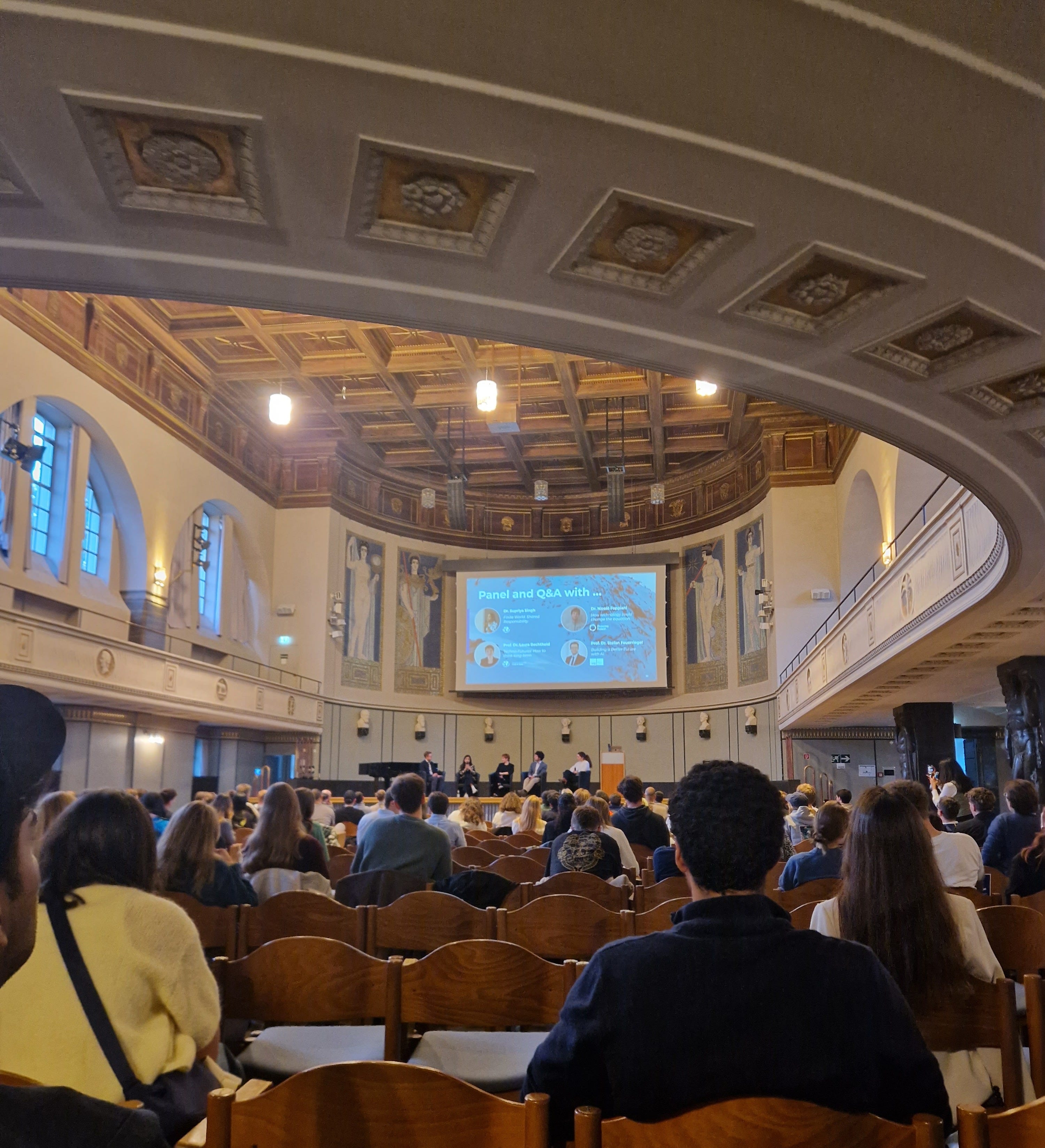
Both are supported by student communities that don’t just exist on paper. START Munich, START Labs, TUMAI, each running active programmes, pitch competitions, incubators.
And then there’s CDTM.
If TUM and LMU are the pipeline, CDTM is the finishing school. Originally a joint research institute between the two universities, it has long outgrown that description.
With 25 students per semester. selected from 300+ applicants, a 6% acceptance rate and an alumni network that has founded over 270 companies; Including Personio, Trade Republic, and Forto.
The alumni community has now launched its own venture fund. This is what happens when you spend 25 years being deliberate about who gets access to what.
I noticed something else during the week that’s harder to quantify.
The founders here often seemed less interested in becoming “startup founders” and more interested in solving technically difficult problems. That sounds subtle. It’s not.
In many ecosystems, the startup becomes the identity. In Munich, the engineering comes first. The company is just the vehicle.
That distinction matters more than people realise. And maybe it’s why Munich remains underrated outside Germany. It doesn’t have Berlin’s cultural export machine or London’s financial gravity. It’s not trying to become Europe’s coolest startup city.
Less performance. More substance.

Which ironically might be exactly why the ecosystem compounds so effectively.
I had a conversation with a VC during the week that I keep coming back to. He talked about identifying founders at high school level, not as a gimmick, but as a genuine alpha thesis. Get to the right people before they’re legible to anyone else and you’re not competing with anyone.
At the time it sounded provocative. By the end of the week it sounded obvious.
A lot of Europe still talks about building innovation ecosystems. Munich quietly built one. And while the rest of Europe debates startup culture, Munich is already producing the next generation of technical founders before most ecosystems would even know where to look.

Munich is exceptional at identification and formation. What it’s still building is the bridge between programme completion and real-world deployment. Getting teams into pilots, into actual market environments, into infrastructure where things get built rather than just validated.
The talent is here. The ambition is here. The 16-year-old thinking about Middle Eastern expansion is here.
The question is where it actually lands.